Rising costs, changing market conditions, and the demand for skilled labor drive hospitality businesses to leverage innovative IT solutions for efficiency and competitive advantage.
Finance
ATP enhances operational efficiency and improves customer experience by providing financial institutions with a wide range of solutions, from payment systems to digital banking.
Retail
ATP provides the retail sector with innovative solutions such as ERP, CRM, autonomous robots, and big data analytics, enabling businesses to gain speed, flexibility, and a competitive advantage.
Energy
ATP provides the energy sector with a specialized digital marketplace and payment solutions, offering businesses supplier access, strategic advantages, and operational efficiency.
Logistics
ATP enhances logistics management with integration and automation, reducing transportation costs, shortening delivery times, and increasing reliability in the supply chain.
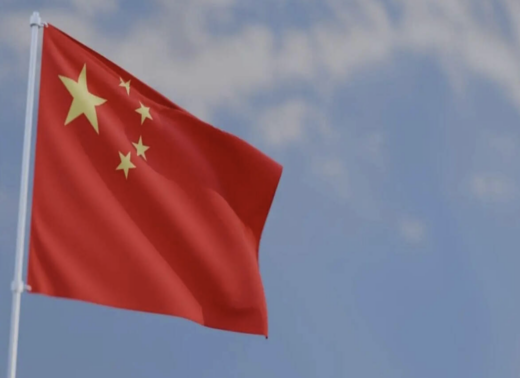
China Restricts U.S. Investment in Tech Firms Over National Security Concerns
China plans to bar leading technology companies, including AI startups Moonshot AI and StepFun, from accepting U.S. capital without government approval. The National Development and Reform Commission issued guidance to multiple private firms, with similar restrictions applied to TikTok owner ByteDance’s secondary share sales. The heightened scrutiny follows Meta’s $2 billion acquisition of AI startup Manus in 2025, which triggered investigations into foreign investments and technology exports.
China Invests $1 Billion in Cambodian Hydropower Amid Iran War Fuel Crisis
China has begun constructing the $1 billion Upper Tatay pumped-storage hydropower station in Cambodia’s Koh Kong province, a 1-gigawatt “green power bank” expected to complete by 2029. The project addresses Cambodia’s severe fuel crisis caused by Middle East supply bottlenecks from the Iran war, which has devastated developing nations’ access to affordable energy. Chinese state-owned enterprises, which also built Cambodia’s $2 billion expressway and a new airport, have helped raise the country’s electricity access from 50% to 96% since 2010. The facility will store excess energy by pumping water uphill during low demand, then releasing it through turbines during peak periods to stabilize solar and wind integration.
Shanghai Researchers Pioneer World's First Successful Gene Therapy for Hereditary Deafness
Shanghai’s Fudan University Eye, Ear, Nose and Throat Hospital has completed the largest and longest-observed clinical trial for congenital deafness gene therapy, published in Nature. Led by Dr. Shu Yilai, the 2.5-year study enrolled 42 OTOF mutation patients aged 9 months to 32 years. Using an adeno-associated virus vector delivered via single inner-ear injection, approximately 90% achieved functional hearing sufficient for daily communication. The therapy awaits China’s National Medical Products Administration approval for market launch.
AI-Generated 'MAGA' Influencer Exposed as Medical Student's Money-Making Scheme
An Indian medical student named Sam created a fake “MAGA” influencer, Emily Hart, using Google Gemini AI to solve his financial struggles. The AI-generated persona, marketed as a conservative registered nurse, gained millions of views on Instagram by posting anti-abortion and anti-immigration content. He monetized the viral account through Fanvue subscriptions and MAGA-themed merchandise, earning thousands of dollars to fund his dream of moving to the United States.
Hairdryer Scam Exposes Vulnerability in Real-World Prediction Markets
A gambler allegedly used a battery-powered hairdryer to manipulate a publicly accessible temperature sensor at Paris’s Charles de Gaulle Airport, rigging Polymarket weather bets and netting approximately $34,000. The sensor recorded two unexplained temperature spikes, both correlating with successful high-payout wagers on unlikely heat surges. France’s national weather service, Météo-France, has filed a criminal complaint for tampering with automated data systems.
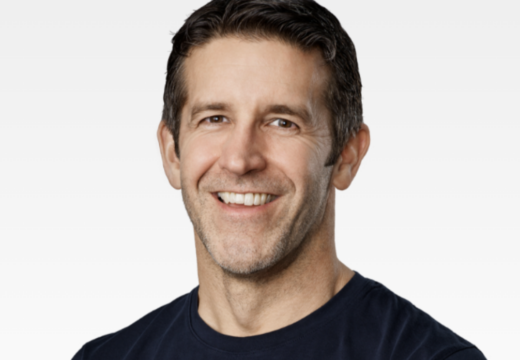
Tim Cook to Step Down as Apple CEO; John Ternus Named Successor
Apple CEO Tim Cook will step down on August 31, 2026, transitioning to Executive Chairman of the board, while hardware engineering chief John Ternus will become CEO effective September 1, 2026. During Cook’s 15-year tenure since 2011, Apple’s market cap soared from $350 billion to $4 trillion, with launches including Apple Watch, AirPods, Apple Vision Pro, and the shift to Apple silicon. Ternus, 50, joined Apple in 2001 and will be replaced by Johny Srouji and Tom Marieb in expanded hardware roles.
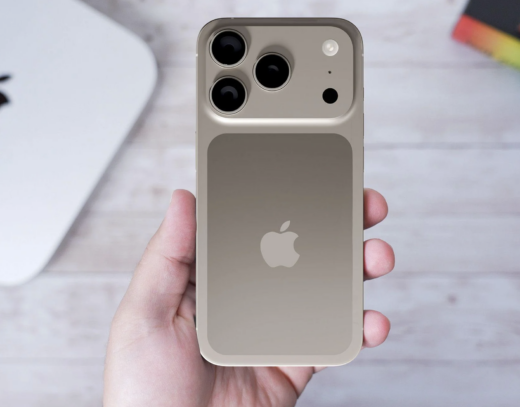
EU Mandates Easily Replaceable Phone Batteries by 2027, But Apple May Dodge Rule
The EU will require all smartphones sold from February 2027 to have “readily removable and replaceable” batteries accessible without specialized tools, extending to game consoles, e-bikes, and toys. However, Apple and other manufacturers may be exempt if their batteries maintain 80% capacity after 1,000 recharge cycles—a threshold iPhones have met since the iPhone 15. Public testing data shows the iPhone 17 Pro Max and Google Pixel 10 Pro qualify at 1,000 cycles, while Samsung’s Galaxy S26 Ultra (1,200 cycles) and Nothing Phone 4a Pro (1,400 cycles) also pass. The law stops short of requiring old-style pop-out batteries, instead targeting repairability without proprietary screws or professional assistance.
Geri bildiriminiz için teşekkür ederiz. Talebiniz, gizlilik ilkeleri çerçevesinde Komite’miz tarafından hassasiyetle değerlendirilecek olup, gerekli görülmesi halinde paylaştığınız iletişim adresinize geri dönüş sağlanacaktır.
















 English
 By
By