











China Bets on Technology to Drive Its Next Five-Year Plan
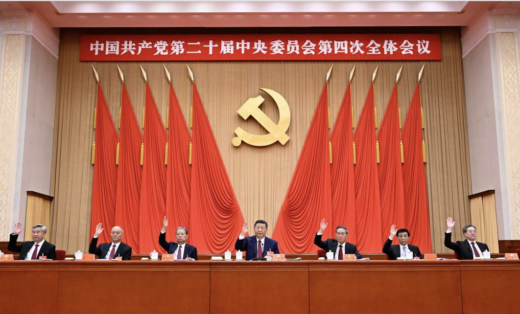
China Bets on Technology to Drive Its Next Five-Year PlanChina has unveiled its 15th Five-Year Plan, centering AI and advanced technology as core drivers of economic growth and national security. The plan targets raising digital economy industries to 12.5% of GDP and mentions AI over 50 times, covering applications in manufacturing, robotics, quantum computing, and brain-computer interfaces. Premier Li Qiang set a slightly lower growth target of 4.5–5% for 2026, acknowledging weak domestic demand, a property sector crisis, and high local government debt. Analysts describe the plan as a shift from defensive self-sufficiency toward proactive technological deployment at scale.
BYD Unveils Battery That Charges as Fast as Filling a Gas Tank
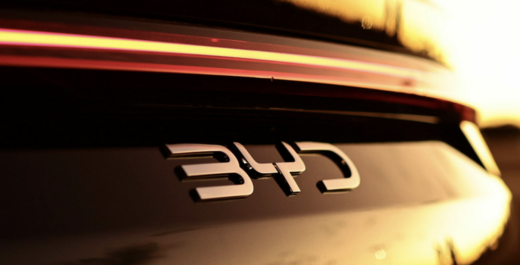
BYD has launched its Blade Battery 2.0, which the company claims can charge from 10% to 70% in five minutes and reach 97% in nine minutes — speeds it describes as the fastest for any mass-produced EV battery. The battery also performs in extreme cold, reaching near-full charge in 12 minutes at minus 30 degrees Celsius. BYD chairman Wang Chuanfu said the goal is to match the convenience of petrol refueling to eliminate range anxiety. The company plans to build 20,000 flash charging stations across China by end of 2026, with peak outputs of 1,500kW — three times the capacity of Tesla’s most advanced V4 supercharger.
China's Chip Leaders Call for Homegrown Alternative to ASML
Top executives from China’s leading semiconductor firms, including SMIC, YMTC, and Naura, have published a joint article calling for a coordinated national effort to build a domestic alternative to ASML, the Dutch maker of extreme ultraviolet lithography machines critical to advanced chip production. The executives believe that China’s current semiconductor industry is too fragmented to compete effectively, and identified three key areas where U.S. sanctions have constrained China’s progress: chip design software, silicon wafers, and manufacturing equipment.

Microsoft Locks Copilot Discord After "Microslop" Filter Backfires
Microsoft’s official Copilot Discord server was temporarily locked after the company filtered the term “Microslop” — a nickname critics use for Microsoft — triggering a wave of user workarounds and escalating disruption. Users quickly bypassed the filter with character substitutions, prompting moderators to restrict access and hide message history. Microsoft later clarified the lockdown was a response to a coordinated spam attack, and that the keyword filters were a temporary measure rather than a deliberate attempt to suppress criticism.

Amazon Data Centers in UAE Struck by Iranian Drones
Amazon has confirmed that two of its data centers in the United Arab Emirates were directly hit by drones amid ongoing conflict in the Middle East, following U.S. and Israeli strikes on Iran that killed Iran’s supreme leader and other senior officials. A third facility in Bahrain was also damaged by a nearby strike. Amazon reported structural damage, power disruptions, and water damage from fire suppression efforts at the affected sites. The company said it is working with local authorities and advised impacted users to back up data and migrate to servers in other regions.
Tinder to Pay $60.5 Million Over Age-Based Pricing Lawsuit
Tinder has agreed to a $60.5 million settlement to resolve a class-action lawsuit alleging the app charged users aged 29 and older more for premium subscriptions than younger users. The case, filed in California in 2015, argued the pricing model violated state civil rights and consumer protection laws. Tinder denied wrongdoing but agreed to settle. Over 260,000 users are expected to be eligible for compensation, primarily California residents who purchased Tinder Plus or Tinder Gold on or after March 2, 2015.
Pope Leo XIV Warns Priests Against Using AI for Sermons
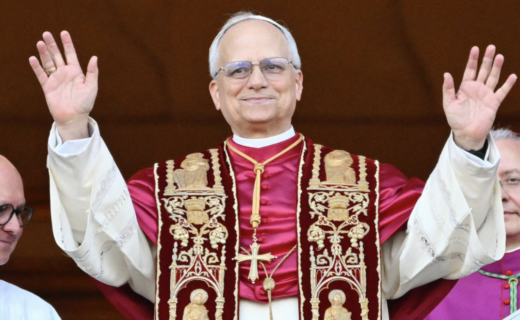
Pope Leo XIV has advised priests to avoid using artificial intelligence to prepare homilies, arguing that authentic preaching requires genuine faith that AI cannot replicate. Speaking to clergy from the Diocese of Rome, he compared neglecting the mind to letting a muscle atrophy, and said that giving a true homily means sharing personal faith and lived experience. The pope also cautioned against seeking validation through social media platforms like TikTok, warning that chasing likes and followers risks losing sight of the core message of ministry.