











China Narrows AI Gap with US After 3 Years
OpenAI’s launch of ChatGPT in late 2022 jolted China’s tech industry into rapid action, prompting urgent government briefings and a race among Big Tech firms and start-ups to develop domestic AI chatbots and large language models. Early on, China focused on building a walled-off AI ecosystem to shield its massive internet population from U.S. services, despite skepticism from investors who saw little path to monetisation for LLM-focused start-ups. By the second half of 2025, however, perceptions shifted, with Chinese AI firms demonstrating stronger technical capabilities and renewed confidence emerging around the commercial viability of homegrown AI models.
From Llama to Qwen: A Reversal in Open-Source AI Leadership
Meta’s open-sourcing of its Llama AI models in 2023 helped set the global standard for open-source large language models, with developers worldwide — including Alibaba Cloud — building on its approach. Alibaba’s Qwen model initially followed Llama’s training methods and openly praised Meta’s research. Two years later, that dynamic appears to have flipped. Reports suggest Meta is now using Alibaba’s Qwen models to help train a new AI system, codenamed Avocado.
Pony.ai’s Asset-Light Bet on Robotaxi Profitability
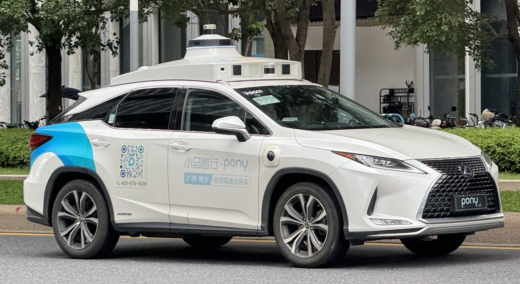
Chinese autonomous-driving firm Pony.ai is shifting to an asset-light strategy to scale its robotaxi business and target company-wide break-even by 2030. Instead of owning fleets, Pony.ai plans to sell driverless vehicles to partners like taxi operators and ride-hailing platforms, while licensing its autonomous-driving technology and fleet-management systems and taking a share of fares. The model aims to accelerate expansion while reducing capital burdens.
Sundar Pichai Says AI Will Touch Every Job — Including His Own
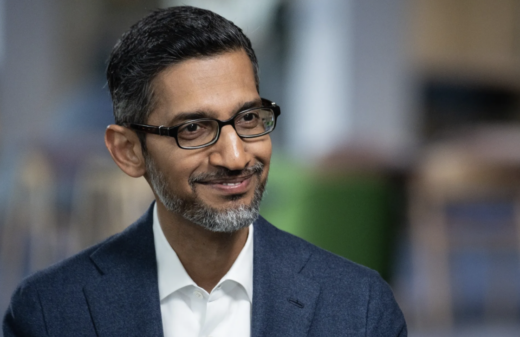
Google CEO Sundar Pichai says artificial intelligence will reshape all jobs, not just entry-level roles, calling AI the most profound technology humanity has ever developed. In a BBC interview, he acknowledged inevitable disruption, job transitions, and the need for society-wide adaptation, even suggesting his own role as CEO could one day be automated. While AI is already shrinking job postings and accelerating automation, Pichai urged young people not to abandon their career plans. Instead, he emphasized that success will belong to those who learn to work with AI. No profession is immune, he said, but embracing AI tools will determine who thrives as technology transforms education, medicine, business, and beyond.
Microsoft’s AI Strategy Falters as Google Gemini Pulls Ahead
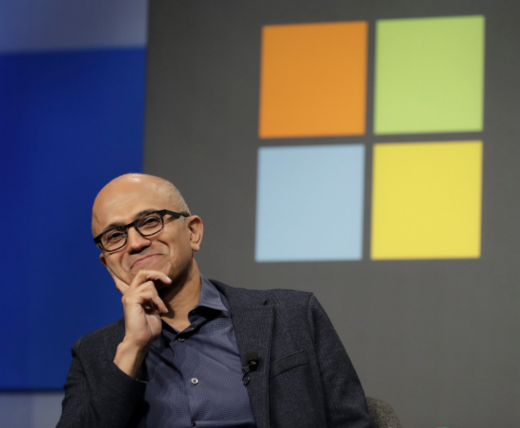
Microsoft’s aggressive AI push under CEO Satya Nadella is increasingly facing criticism for poor execution and weak customer focus. Reports suggest demand for Azure AI products is underwhelming, while Microsoft Copilot is losing ground to Google Gemini, which is showing faster user growth and stronger real-world performance. Critics argue Microsoft rushed half-baked AI features into products, prioritizing speed and shareholder sentiment over quality and usability. Heavy reliance on Nvidia hardware and OpenAI further compounds the risk. While successes like GitHub Copilot and in-house chip efforts offer some hope, analysts warn that without a clearer strategy and better product polish, Microsoft risks becoming a mere AI infrastructure reseller rather than an innovation leader.
Tesla Tops Innovation Charts but Trails in Used-Car Reliability
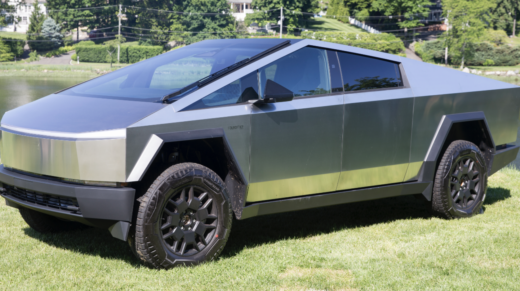
A new Consumer Reports study ranks Tesla as the least reliable used car brand in the U.S., placing last among 26 automakers for 5- to 10-year-old vehicles. While older Teslas suffer from recalls and quality issues, the report notes significant improvements in newer models, which now show better-than-average reliability and strong new-car predictability scores. Despite this progress, used Tesla prices have fallen as EV demand cools and incentives fade. Growing competition from low-cost Chinese brands like BYD is adding pressure, echoing past market shifts where affordability and reliability reshaped the global auto industry.
Disney Bets Big on AI With $1B OpenAI Deal and Sora Partnership
Disney has signed a landmark three-year deal with OpenAI, investing $1 billion and becoming the first major studio to license its characters for OpenAI’s generative video app Sora. The agreement allows users to create fan-made videos featuring iconic franchises like Disney Animation, Pixar, Marvel, and Star Wars, with select content potentially streaming on Disney+. Disney will also deploy OpenAI tools internally, including ChatGPT, but OpenAI will not train its models on Disney IP. CEO Bob Iger framed the move as a responsible embrace of AI’s creative potential, emphasizing protections for creators, actors’ likenesses, and safeguards against harmful content.