












Huawei’s Patent Sparks Speculation Over 2nm Chips Without EUV
Huawei’s recently publicized patent has fueled speculation that China may be edging toward producing 2-nanometre-class chips without access to EUV lithography. The patent outlines a metal-integration method that allows sub-21nm metal pitches using older deep-ultraviolet (DUV) tools—potentially offering a workaround to US export bans on advanced ASML equipment. Filed in mid-2022 and disclosed this year, the patent remains unproven in practice. Still, industry chatter is rising: one Chinese chip veteran even claimed 14nm logic could match Nvidia’s 4nm performance through innovative memory integration.
Chinese Provinces Outline Tech-Focused Five-Year Plans Amid Trade Tensions
China’s provincial governments are rolling out their next five-year plans with a strong emphasis on high-tech development tailored to local strengths. At least 22 regions have approved proposals aligned with national goals to accelerate innovation, especially in advanced industries. Zhejiang aims to expand AI integration, develop humanoid-robot pilot zones, and build a globally competitive open-source ecosystem. Beijing plans to boost local AI firms and pursue breakthroughs in high-end chips restricted by U.S. export controls. Several regions also intend to increase supplies of rare earths and soybeans, reflecting priorities shaped by escalating U.S.–China trade tensions.
Taiwan Imposes One-Year Ban on Xiaohongshu Over Fraud and Cybersecurity Risks
Taiwan has enacted an immediate one-year ban on the Chinese social platform Xiaohongshu (Rednote), citing severe fraud risks and cybersecurity failures. Authorities linked the app to roughly 1,700 fraud cases causing over NT$247.7 million (US$7.9 million) in losses since 2024. The Interior Ministry said Xiaohongshu failed all 15 National Security Bureau cybersecurity indicators and poses major challenges for law enforcement due to jurisdiction limits. ISPs have been ordered to block access and platforms like Google urged to stop running ads.

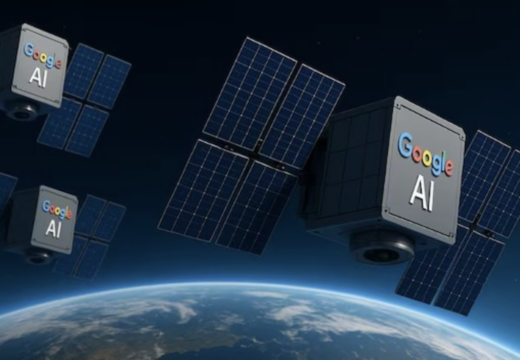
Google’s Space Ambition: AI Data Centers Orbiting Earth by 2027
Google has quietly launched Project Suncatcher, a long-term push to build AI data centers in space. CEO Sundar Pichai says the first step comes in 2027, when Google will send tiny racks of machines into orbit to test satellite-based computing. The long-term goal: extraterrestrial data centers powered directly by abundant solar energy — far beyond what Earth can provide. The plan emerges amid mounting concerns about AI’s environmental footprint, from water use to rare minerals and emissions. Google hopes off-planet infrastructure could ease pressure on Earth.
Buy Now Pay Later Surges as Shoppers Stretch Budgets Over Cyber Weekend
Holiday shoppers leaned heavily on buy now, pay later services as financial pressure pushed consumers toward flexible payments. Cyber Monday BNPL purchases hit $1.03 billion—over 7% of all online sales—while Black Friday saw $747.5 million. Platforms like PayPal and Zip reported major spikes, with millennials and Gen Z driving most transactions. Electronics, apparel, toys, and furniture dominated BNPL spending. Analysts say deep discounts and strong promotional activity pushed shoppers to buy earlier, aligning with forecasts that predicted a robust holiday weekend despite economic uncertainty.

Netflix’s $82.7 Billion Warner Bros. Takeover Reshapes Hollywood and Sparks Regulatory Fears
Netflix has agreed to acquire Warner Bros. Discovery in an $82.7 billion megadeal financed through $59 billion in bank commitments under “Project Noble.” The company says the merger will expand creative opportunities, strengthen its global content library, and generate $2–3 billion in annual cost savings, while preserving Warner Bros.’ theatrical releases. WBD shareholders will receive cash and Netflix stock, with linear networks like CNN and HGTV set to spin out in 2026. Analysts say Netflix gains unparalleled IP—from DC to Harry Potter—solidifying its dominance in the streaming wars.

ChatGPT Users Rebel After Unrelated App Suggestions Appear for Paying Subscribers
ChatGPT Pro users are furious after OpenAI quietly began testing in-chat app suggestions that look and feel like ads—despite the $200 monthly subscription fee. Screenshots showing irrelevant prompts like a Peloton “Find a fitness class” suggestion triggered instant backlash, with many calling the move unacceptable for paid tiers. The controversy follows recent leaks revealing hidden code for an “ads feature,” “search ads,” and an “ads carousel” in the ChatGPT Android app. While some argue these are just app connection prompts, many users see them as ads in disguise. With speculation that true ads may be coming, subscribers worry this signals a larger, unwelcome shift in how AI assistants will be monetized.