











Zhipu AI Doubles Down on AGI and Open Source After IPO Progress
Chinese AI start-up Zhipu AI said it will intensify efforts toward artificial general intelligence (AGI in 2026) while continuing to open-source its models even after going public. The Beijing-based firm, which has passed a regulatory hearing for a Hong Kong IPO, reassured global developers that it will keep releasing model weights and research. Zhipu positions open source as core to its strategy, citing learning from global AI communities. Its latest GLM-4.7 model has reached performance milestones comparable to leading US rivals.

TurboDiffusion Could Make AI Video Generation Nearly Instant
Researchers from Tsinghua University, Shengshu Technology, and UC Berkeley have introduced TurboDiffusion, a new technique that dramatically accelerates AI video generation without sacrificing quality. According to their paper, TurboDiffusion can cut the time needed to generate a five-second standard-definition video from over three minutes to just 1.9 seconds, and reduce high-definition generation from nearly 80 minutes to 24 seconds on a consumer-grade GPU. The breakthrough relies on training innovations like sparse linear attention, which lowers computational load. Analysts say this shift enables real-time, commercial-scale AI video creation.

CATL Expands Into Automotive Chips With New Beijing Joint Venture
CATL, the world’s largest EV battery maker, has partnered with Unigroup Guoxin Microelectronics to establish a new automotive chip company in Beijing. The venture, Tongxin Micro Technology, will focus on automotive domain controller chips and reflects CATL’s broader push into semiconductors. Guoxin Micro’s subsidiary Tongxin Micro holds a controlling stake, while CATL participates as a strategic investor. The new firm will acquire Tongxin Micro’s automotive chip business at a sharply higher valuation, highlighting expectations for long-term growth.
Anna’s Archive Claims to Have Scraped Nearly All of Spotify
Anna’s Archive says it has scraped almost the entirety of Spotify, archiving metadata for 256 million tracks and audio for 86 million songs, representing about 99.6% of all listens on the platform. The collection totals nearly 300TB and is being distributed via torrents, organized by popularity. Spotify confirmed it identified and disabled accounts involved in unlawful scraping, stating only some audio files were accessed and that new safeguards are in place. While Anna’s Archive frames the project as cultural preservation, the scraping and redistribution violate copyright law, and potential legal action remains uncertain.

SoftBank Races to Raise $22.5B to Keep OpenAI’s Stargate Alive
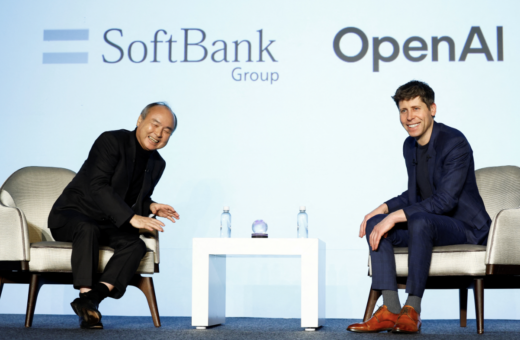
SoftBank must secure $22.5 billion by year’s end to meet its funding commitments to OpenAI’s massive Stargate AI data center project, according to Reuters. CEO Masayoshi Son may tap loans against Arm Holdings, sell assets like its T-Mobile stake, or use existing cash reserves. The funding follows OpenAI’s shift to a for-profit model, a key condition for SoftBank’s investment. With Oracle already building infrastructure and expecting payments soon, pressure is mounting. Skepticism remains over whether Stargate’s $500 billion vision is financially realistic.
Apple’s Foldable iPhone Leaks Raise Buzz—and Big Questions
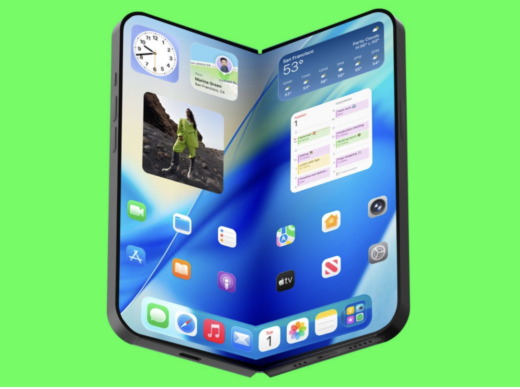
YouTuber Jon Prosser has leaked detailed 3D renders of what he claims is Apple’s first foldable iPhone, expected next year. The device is rumored to feature a 5.5-inch outer display, a 7.8-inch inner screen, dual rear cameras, and an ultra-thin 9mm folded design. While the specs broadly match earlier reports, questions remain about screen size discrepancies and whether Apple has truly solved the visible crease problem. Even if launched, the foldable’s success is uncertain.
Nvidia Deepens AI Chip Dominance With Groq Deal
Nvidia has signed a non-exclusive licensing agreement with AI chip startup Groq and will hire its founder Jonathan Ross, president Sunny Madra, and other staff. While Nvidia says it is not acquiring Groq, CNBC reports it is buying Groq assets for $20 billion, which would mark Nvidia’s largest deal ever. Groq develops LPUs, chips designed specifically for language models that promise major speed and energy efficiency gains.